Diploma in Computer Applications (DCA) - Course Syllabus
Course Duration: 1 Year (Divided into two semesters)
Course Objective: To equip students with foundational knowledge of computer systems, essential office productivity tools, digital literacy, and fundamental accounting principles using industry-standard software (Tally).
Semester 1: Foundations and Productivity Tools
|
Subject Code |
Subject Name |
Modules / Key Topics Covered |
Theory Hours |
Practical Hours |
|
DCA 101 |
Computer Fundamentals & Operating System |
1. Fundamentals: History, Generations, Types of Computers, Hardware (CPU, Memory, I/O Devices), Software (System vs. Application). 2. Number Systems: Binary, Decimal, Hexadecimal, and Conversions. 3. Operating Systems (OS): Introduction to OS functions, Types of OS, File Management, Windows OS (Desktop, Control Panel, File Explorer), Basic Linux Commands. |
40 |
40 |
|
DCA 102 |
Office Automation (MS Office Suite) |
1. MS Word: Document creation, Editing, Formatting, Tables, Mail Merge, Proofing tools. 2. MS Excel: Worksheets, Formulas (Basic & Logical), Functions (SUM, AVERAGE, IF, VLOOKUP), Data sorting, Filtering, Charts, Pivot Tables. 3. MS PowerPoint: Presentation Design, Adding graphics and multimedia, Transitions, Animation, Slide Show setup. |
40 |
60 |
|
DCA 103 |
Digital Skills & Internet Usage |
1. Internet Basics: World Wide Web (WWW), Web Browsers, Search Engines. 2. Communication: Email etiquette, Creating and managing email accounts. 3. Digital Financial Tools: UPI, Mobile Banking, Digital Wallet concepts. 4. Cyber Security & Safety: Password best practices, Antivirus, Basic malware concepts, Social Media safety. 5. E-Governance: Introduction to common online government services. |
30 |
30 |
|
DCA 104 (P) |
Lab on Office Automation & OS |
Hands-on practical application of MS Word, Excel, PowerPoint, and basic OS operations. |
- |
40 |
Semester 2: Accounting and Advanced Applications
|
Subject Code |
Subject Name |
Modules / Key Topics Covered |
Theory Hours |
Practical Hours |
|
DCA 201 |
Financial Accounting (Theory) |
1. Basic Accounting: Principles, Concepts, Golden Rules of Accounting, Double-Entry System, Journal, Ledger. 2. Financial Statements: Trial Balance, Trading Account, Profit & Loss Account, Balance Sheet. 3. Depreciation: Methods and Accounting Treatment. |
40 |
10 |
|
DCA 202 |
Computerized Accounting (Tally) |
1. Tally Basics: Company Creation, Features (F11) & Configuration (F12). 2. Masters: Ledgers, Groups, Stock Items, Units of Measure. 3. Voucher Entry: Accounting Vouchers (Payment, Receipt, Journal, Contra) and Inventory Vouchers (Sales, Purchase). 4. Reporting: Viewing Trial Balance, P&L, Balance Sheet, Stock Summary. 5. GST/VAT: Introduction to basic taxation concepts in Tally. |
30 |
60 |
|
DCA 203 |
Data Management & Basic Programming |
1. Database Concepts: Introduction to DBMS, Tables, Records, Fields, Keys (Primary, Foreign). 2. MS Access (or equivalent): Creating Tables, Queries, Forms, and Reports. 3. Web Fundamentals (HTML): Introduction to HTML structure and basic tags. 4. Basic Logic/Flowcharts: Simple algorithms and programming logic using flowcharts. |
30 |
30 |
|
DCA 204 (P) |
Project & Viva Voce |
A mandatory project involving a real-world scenario applying skills from all four subjects (e.g., creating a digital business plan complete with financial projections in Excel, accounting in Tally, and a professional report in Word). |
- |
40 |
|
Total Course Hours |
Theory: 170 |
Practical: 280 |
Minimum Qualification (Eligibility Criteria)
|
Criteria |
Requirement |
|
Educational Qualification |
Successful completion of 10+2 (Higher Secondary Examination) from any recognized board or equivalent vocational qualification. |
|
Minimum Percentage |
Typically 40% - 50% aggregate marks in the qualifying examination (may vary by institution). |
|
Age Limit |
No specified upper age limit in most institutions. |

Course Code : S-ACC
Course Code : S-DCA
Course Code : S-ADCA
Course Code : S-ADIT
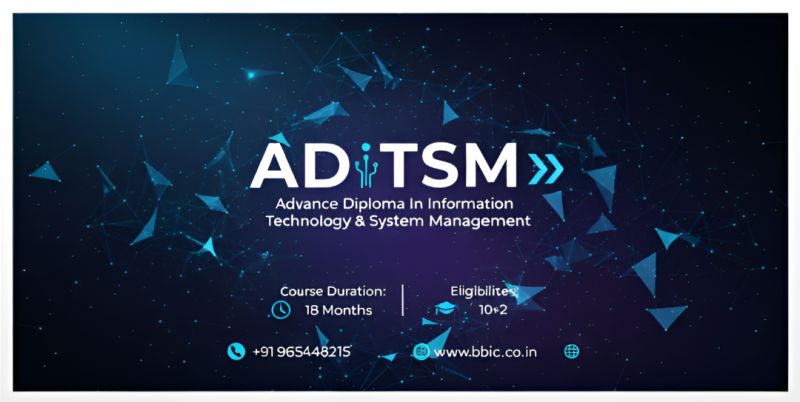
Course Code : ADITSM

Course Code : S-BOC

Course Code : M-TALLYPRIME008
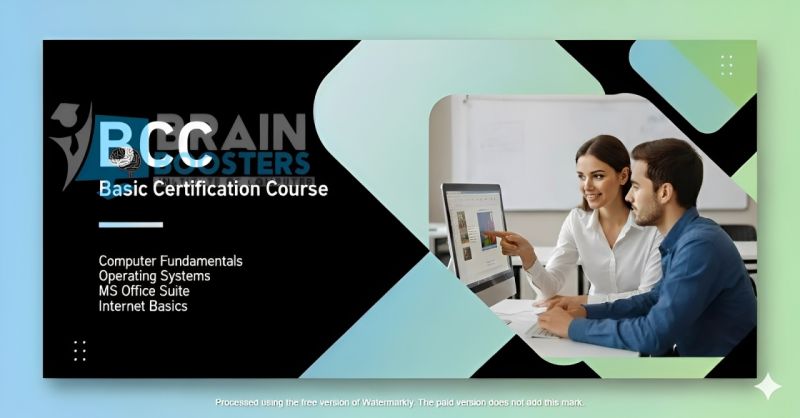
Course Code : M-CBC 01
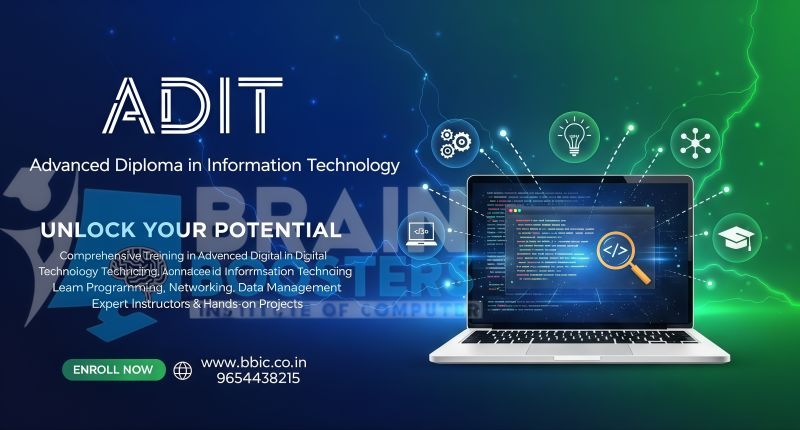
Course Code : M-ADIT004
Course Code : M-DCA002
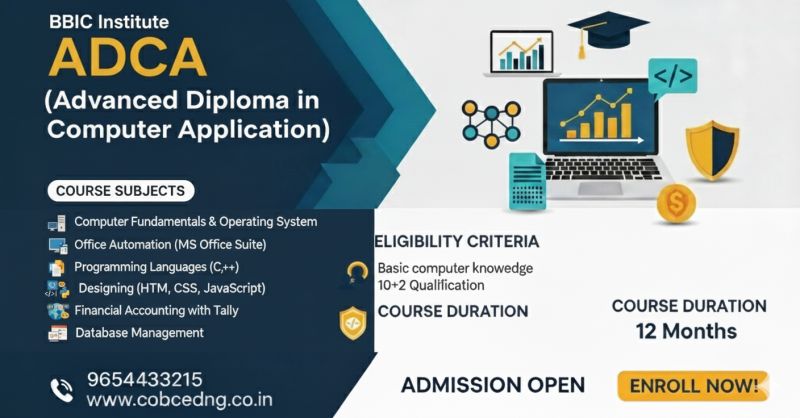
Course Code : M-ADCA002
Course Code : M-ADITSM005
Course Code : M-S-DEA01
Course Code : M-ACCSC008